Car camping in Coober Pedy at 3°C
Show 3 more photos Show 9 more photos Hide additional photos
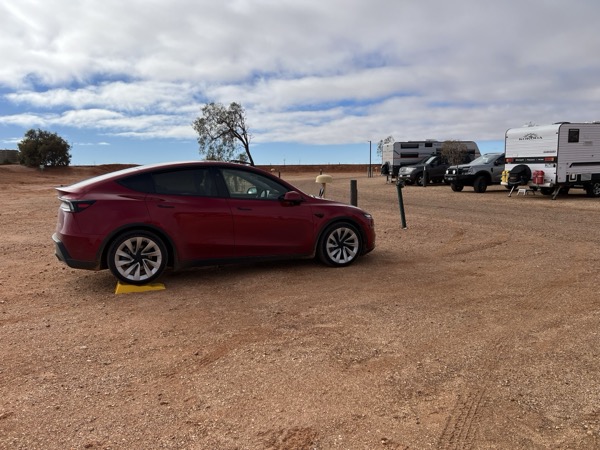
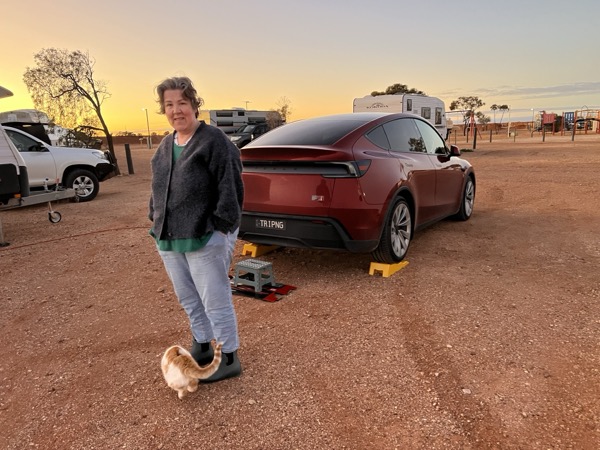
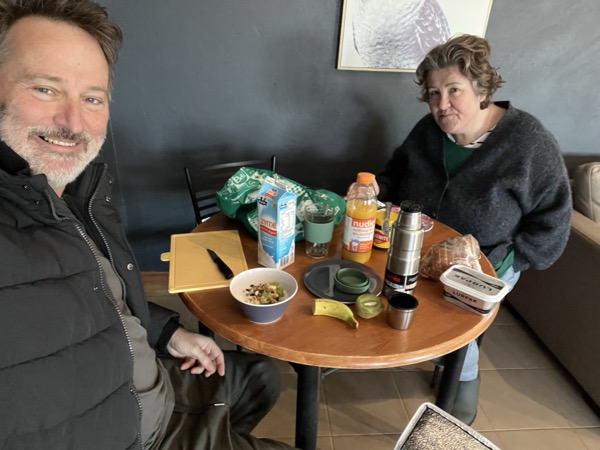
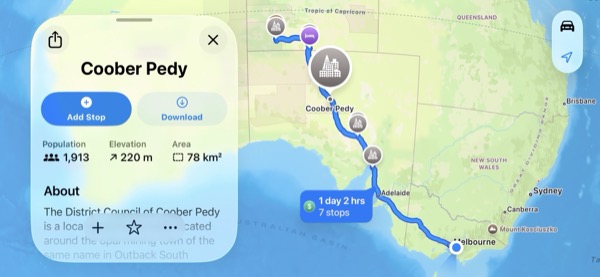
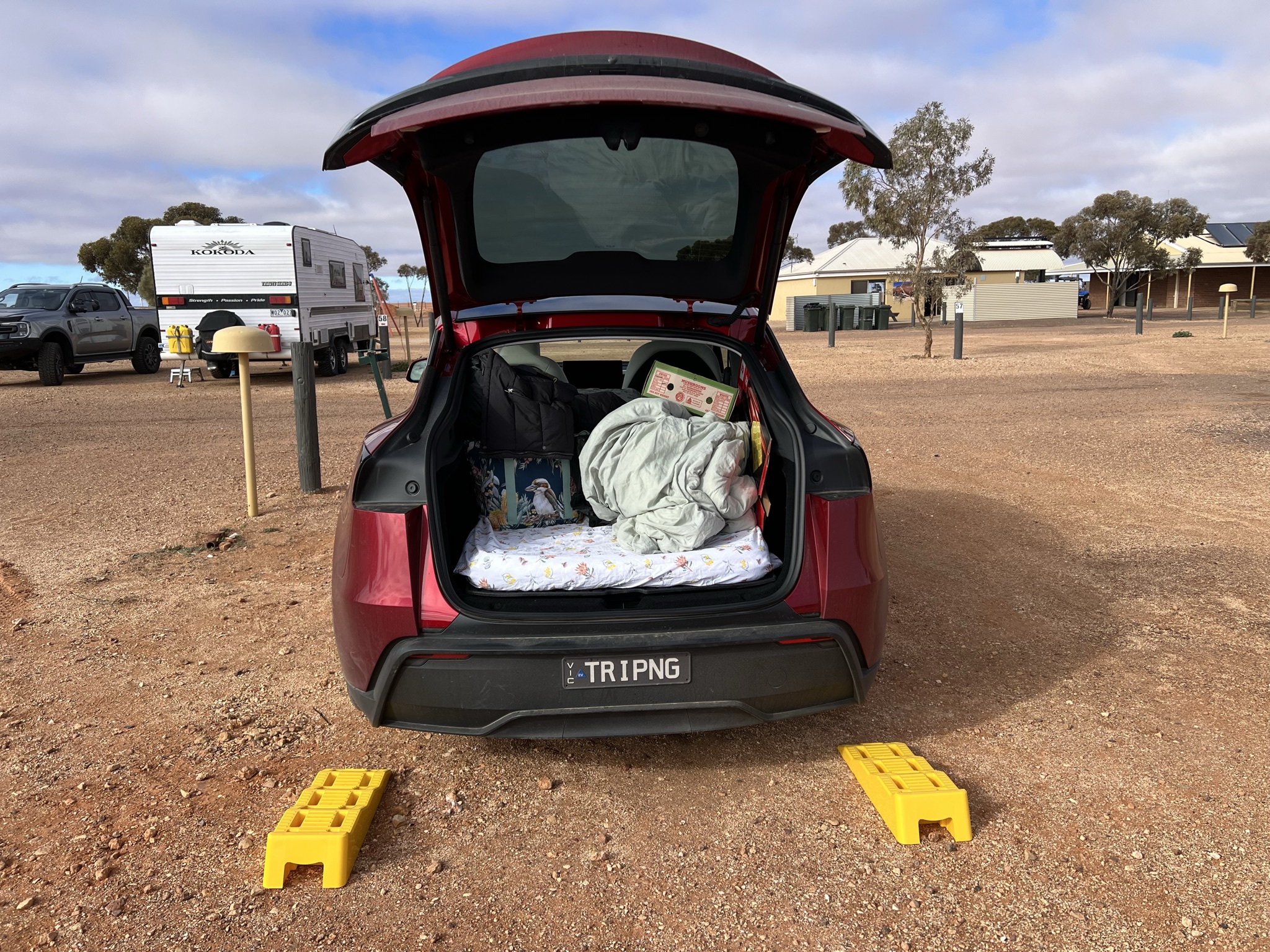
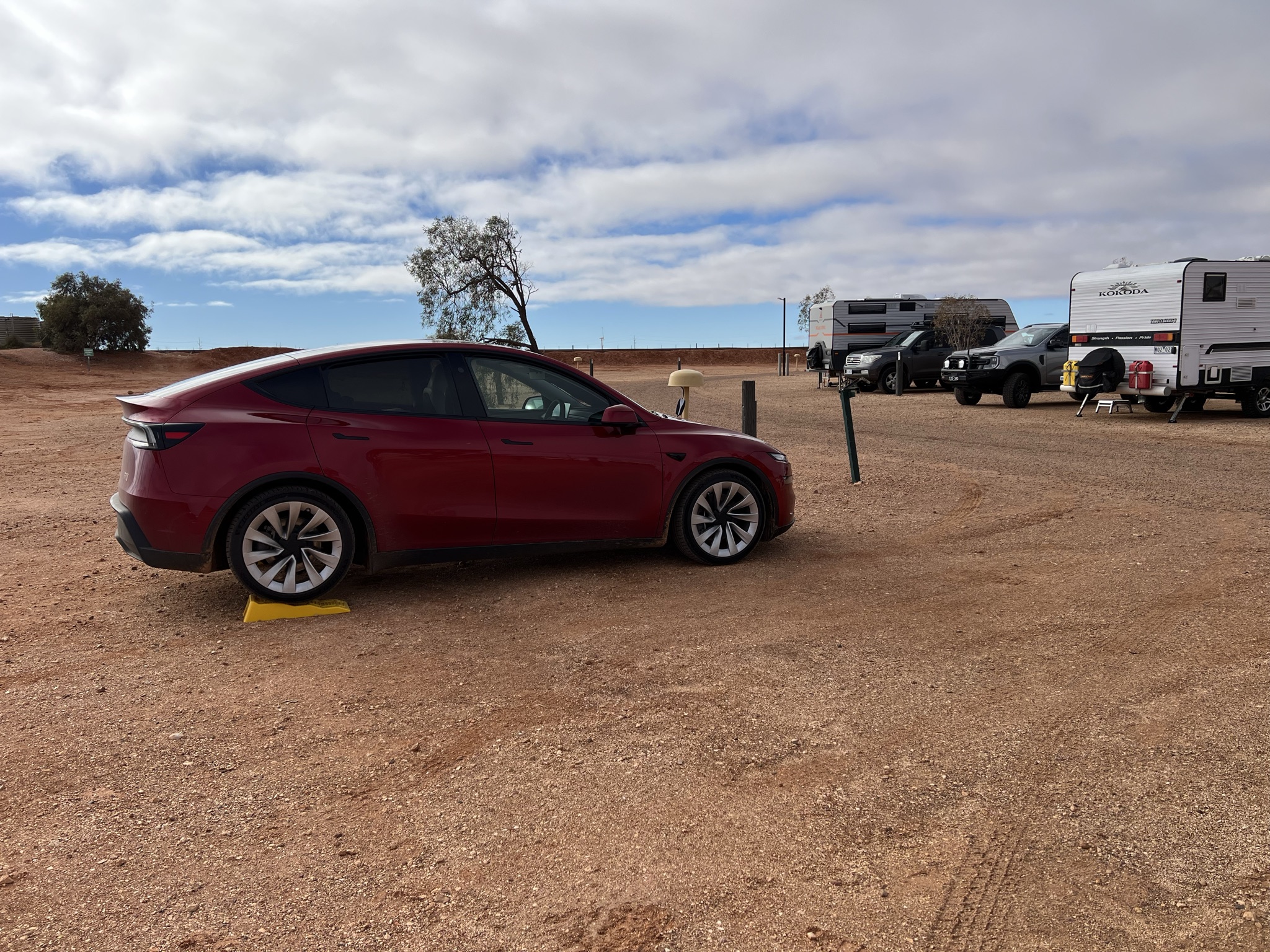
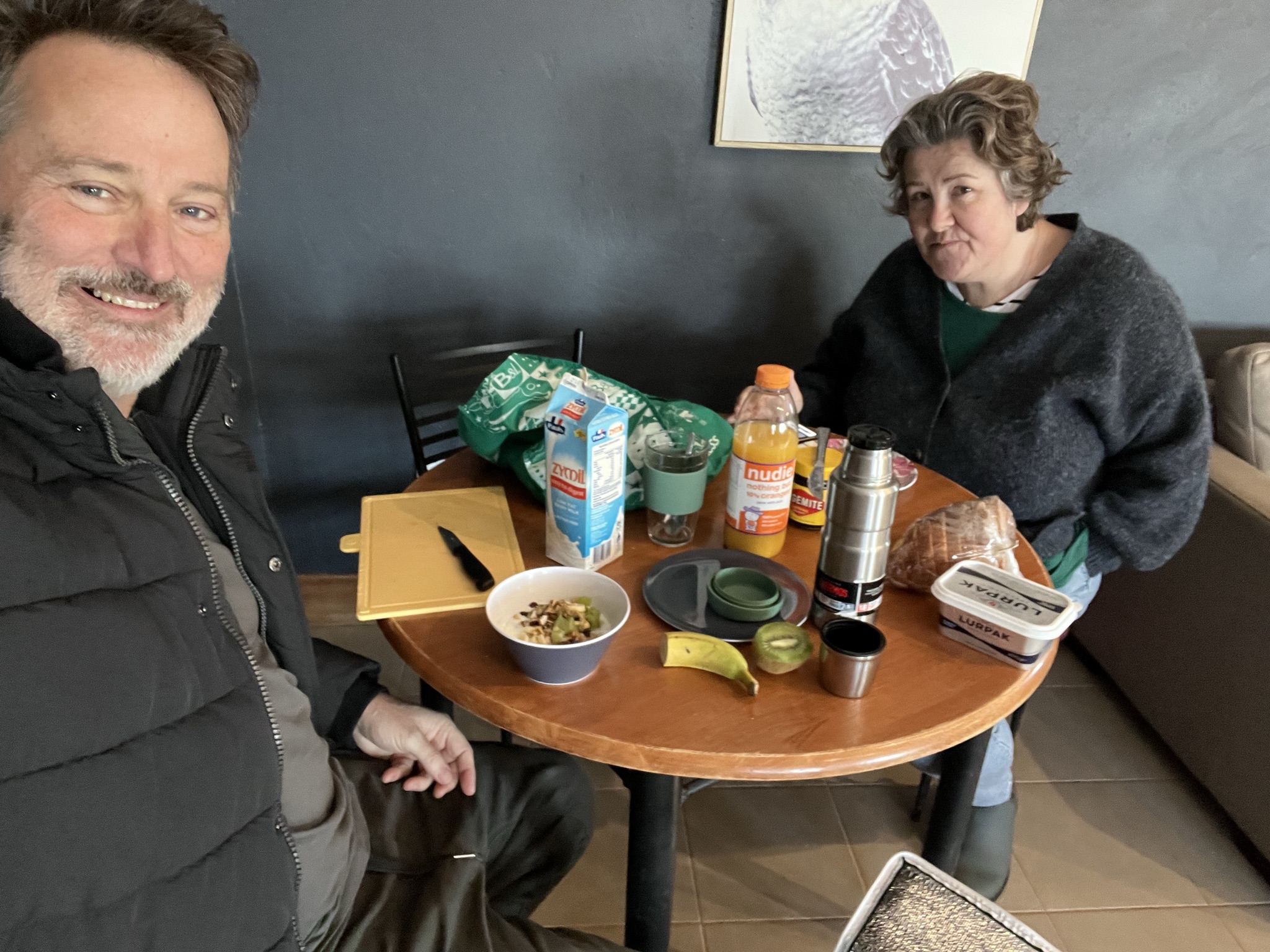
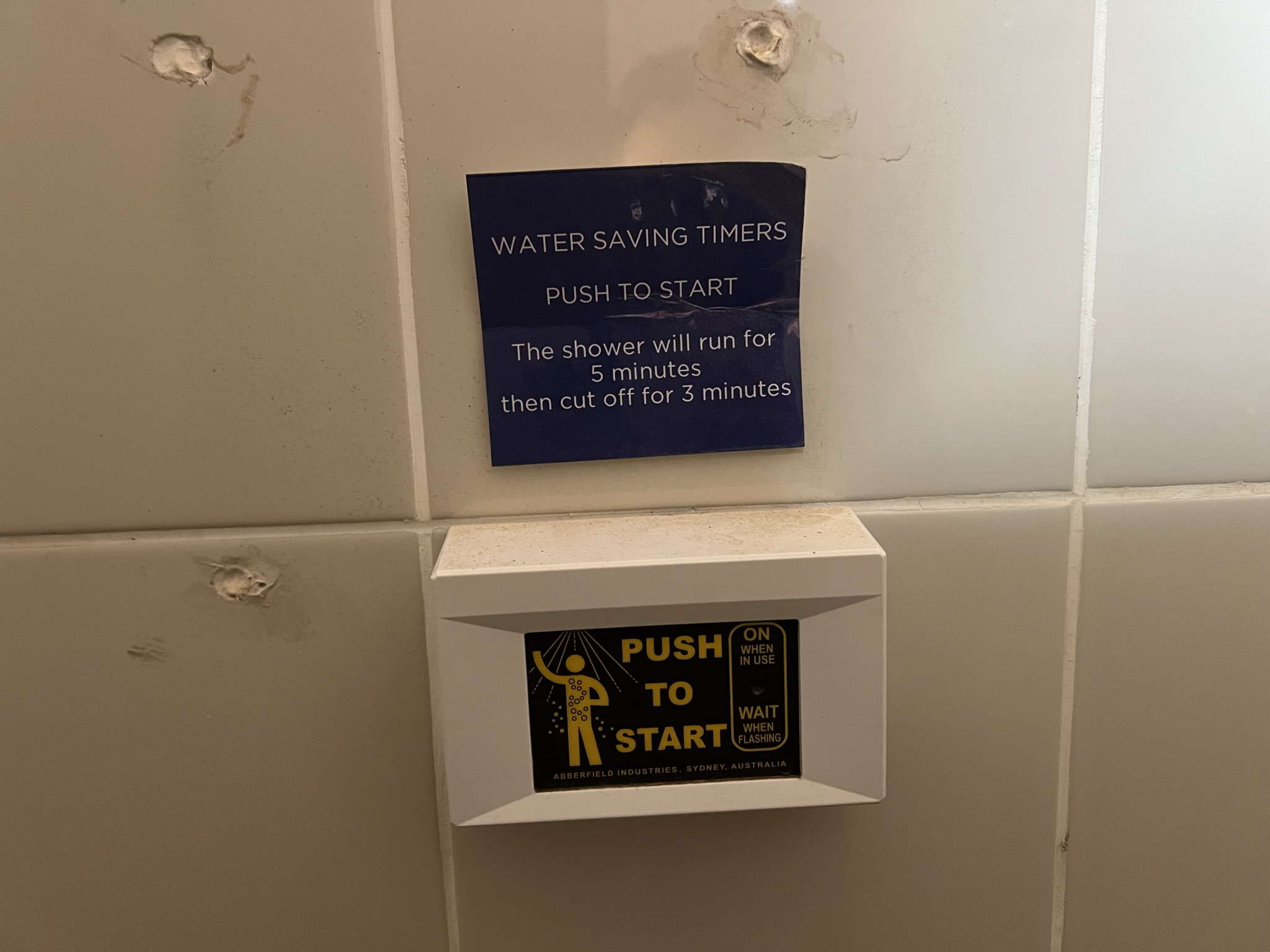
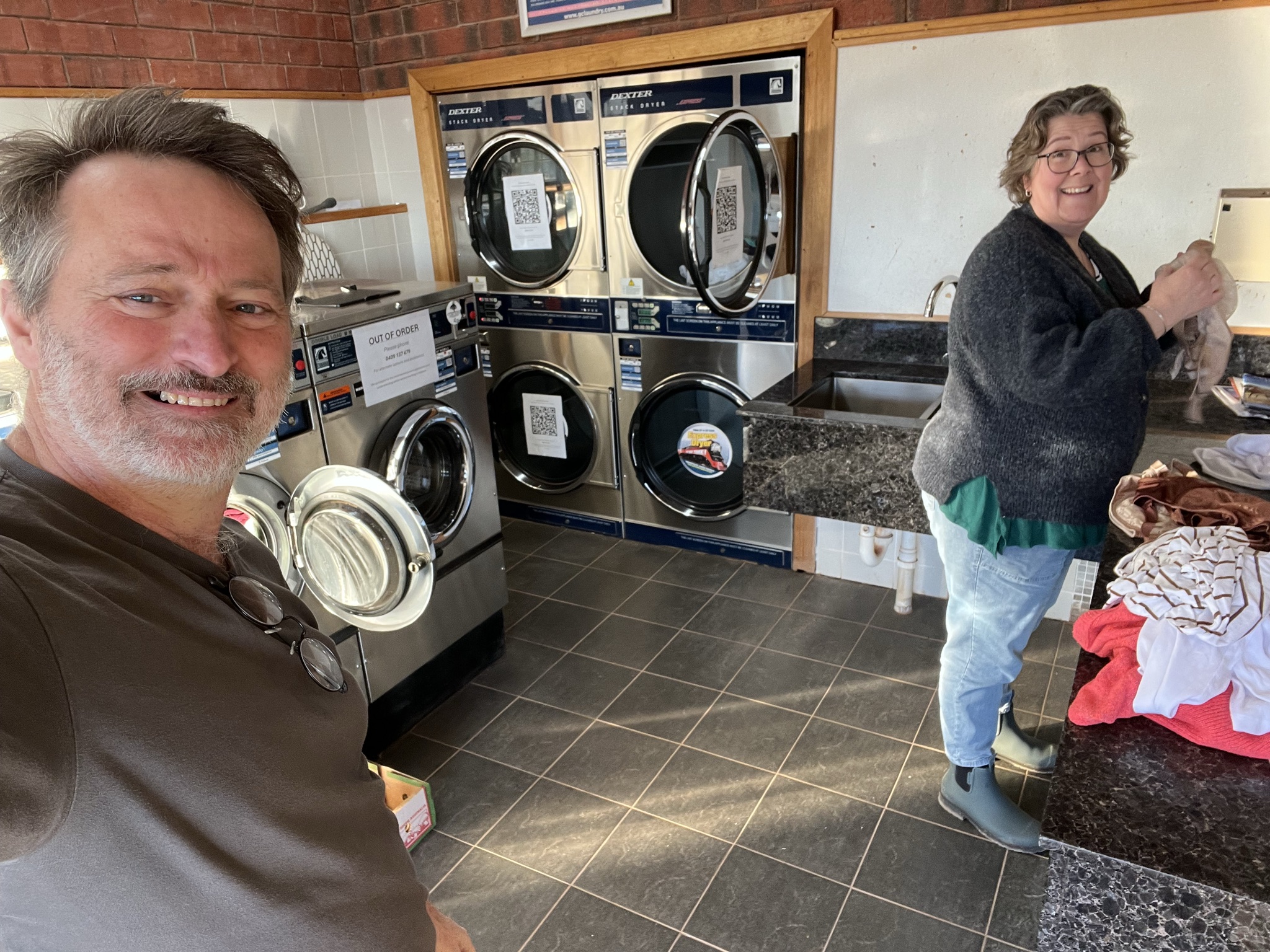
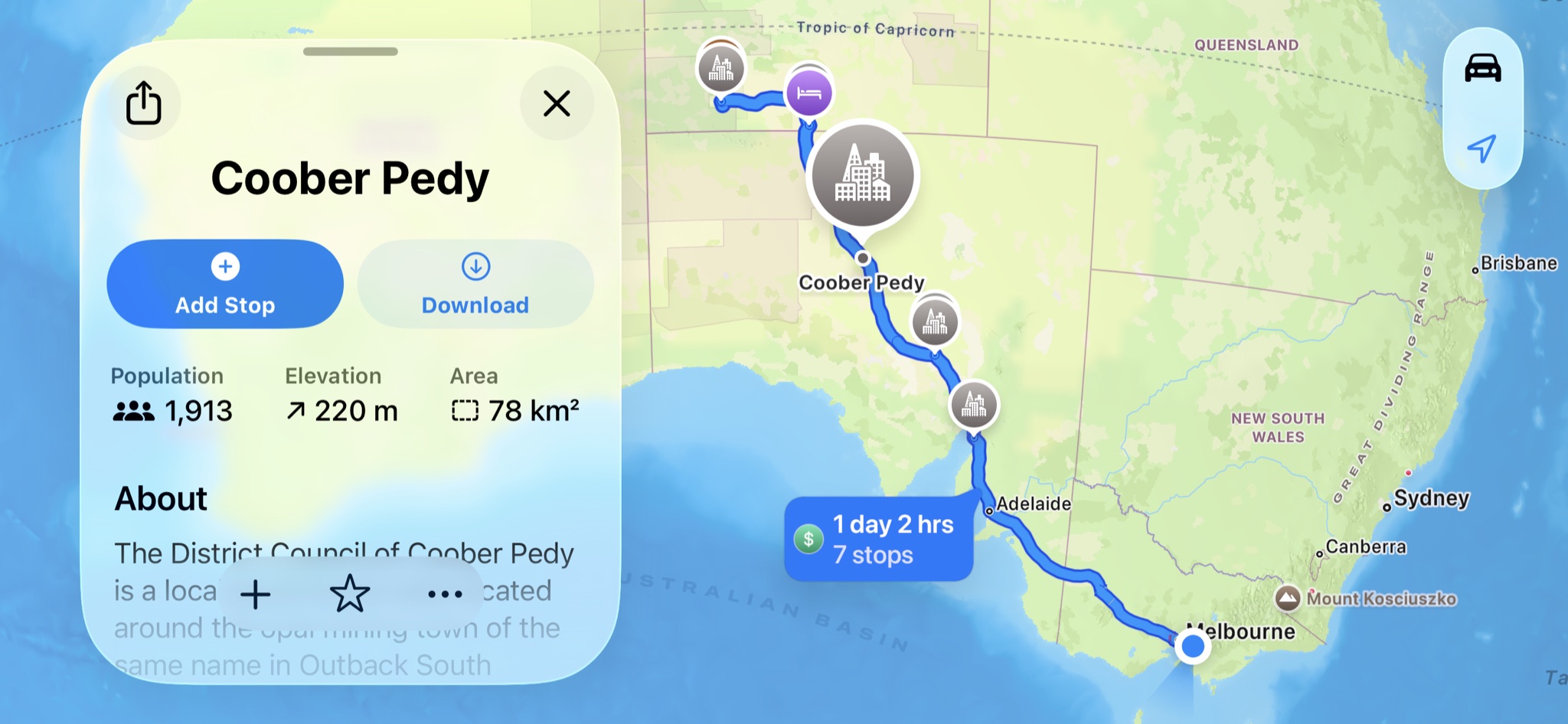
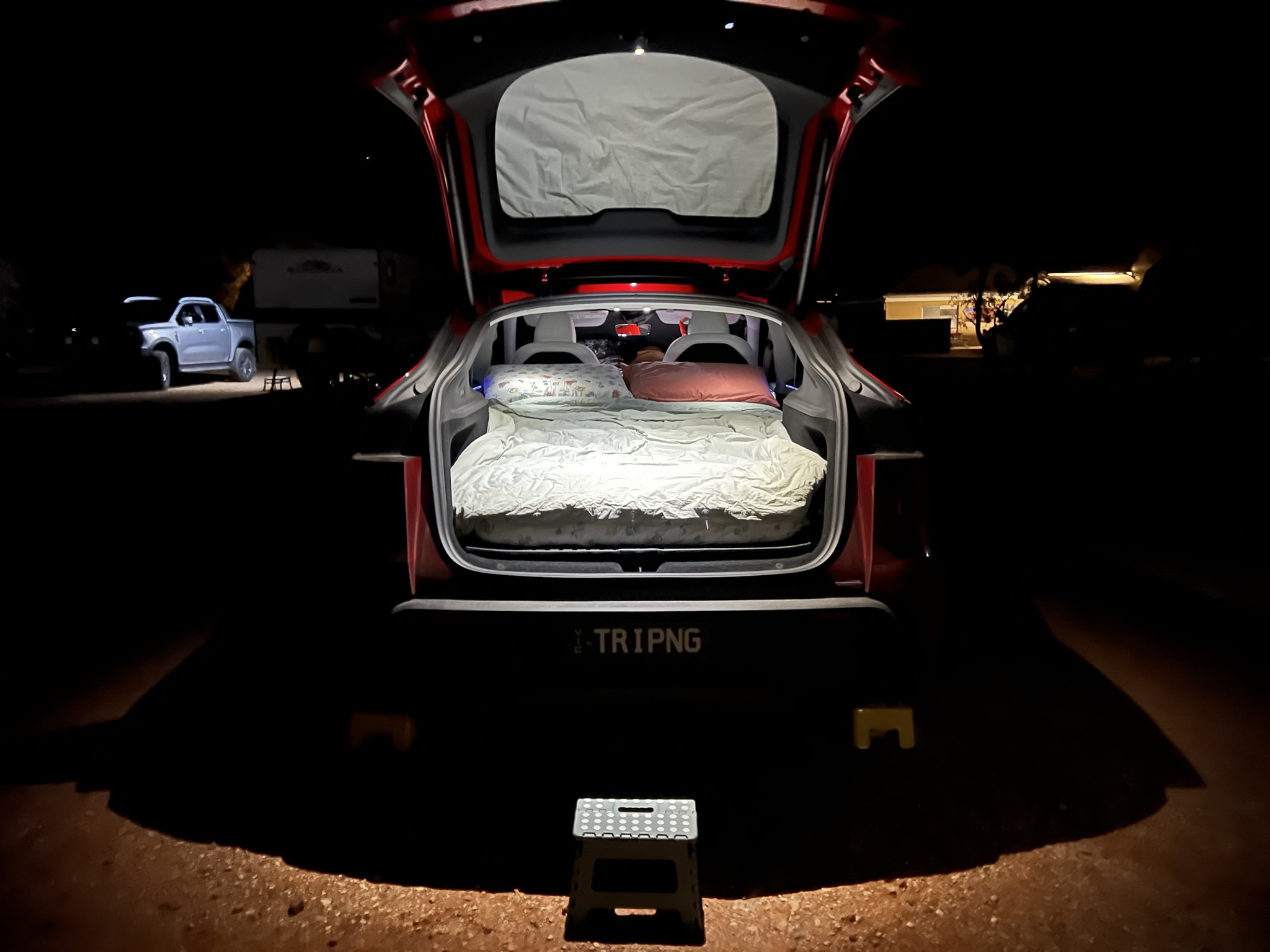
Coober Pedy was our first car camping stop on this trip, with Uluru still two days up the road. A powered site at the Big4 Stuart Range Outback Resort, and the Snuuzu mattress in the back of the Model Y.
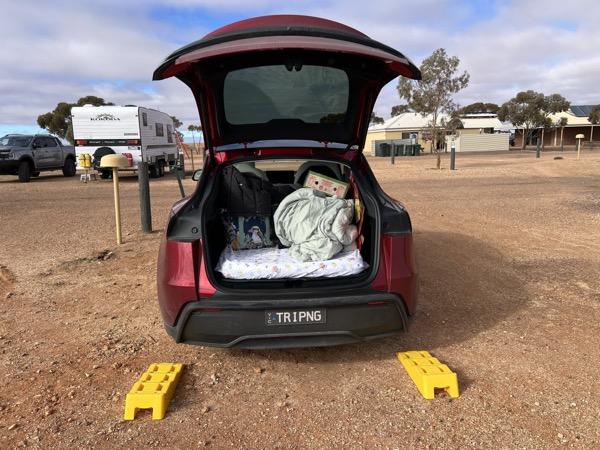
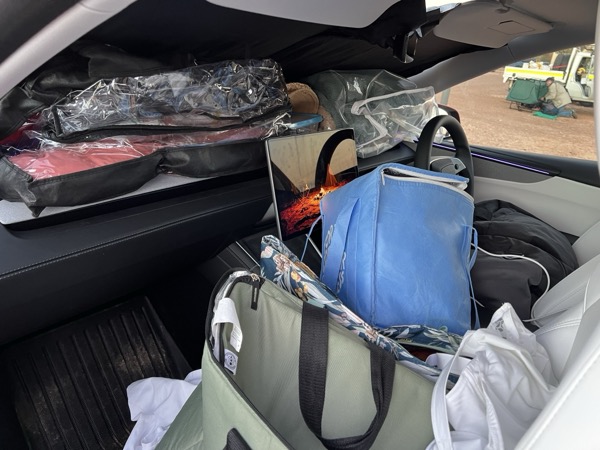
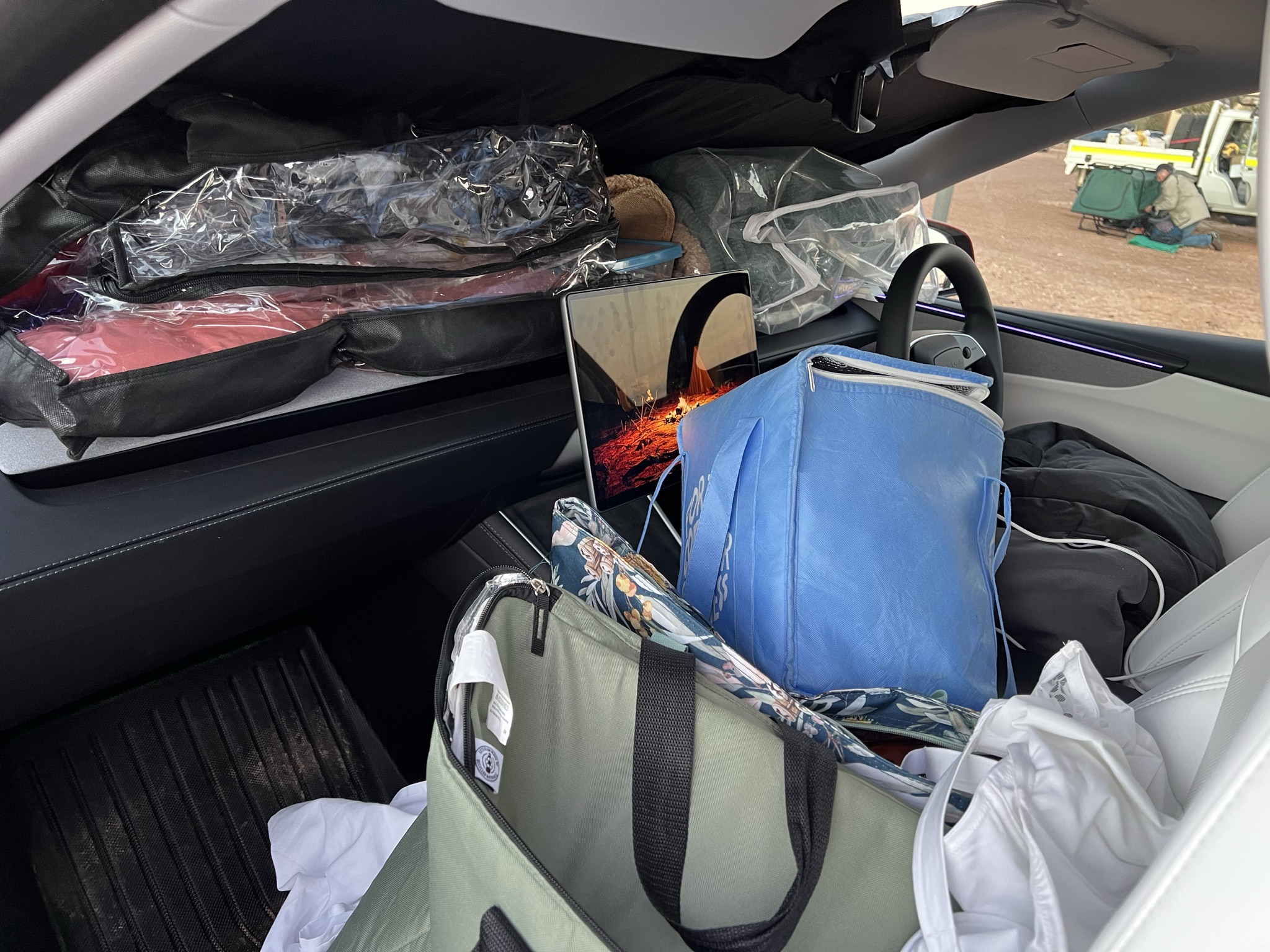
The rear seats fold flat, except that folded flat is not flat. They sit at an angle, and a few hours of quietly hoiking yourself back up the slope is its own special kind of tired. The Snuuzu mattress is genuinely comfortable and it flattens the kink where the seats meet, but it does not fix the slope, and if anything it makes it slightly worse. We tried backing up a rise to lift the rear a little, then gave in and used the levelling ramps we had bought a few days earlier. Making the bed also means everything else has to go somewhere, so the bags end up stacked across the front seats and piled over the dash.
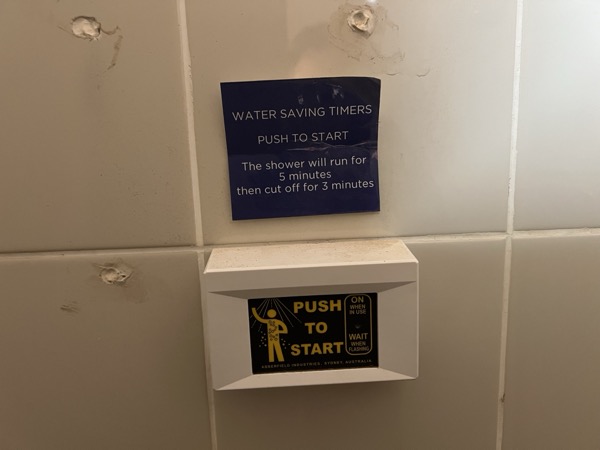
Warm all night, right up until nature called. "Siri, open the Tesla boot" is a fine piece of technology until it opens your bedroom to the desert. We shuffled out half asleep into 3°C and walked over to the amenities block.
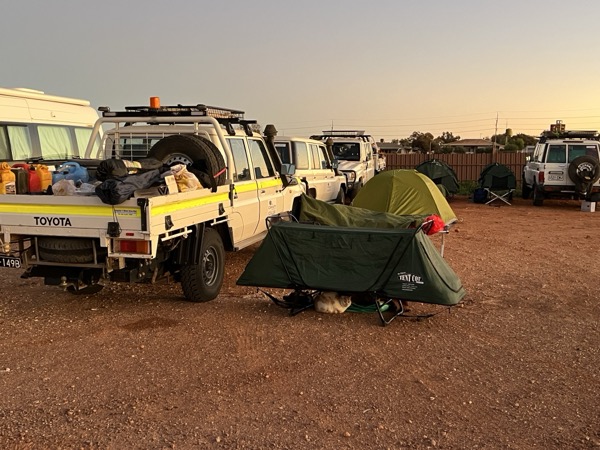
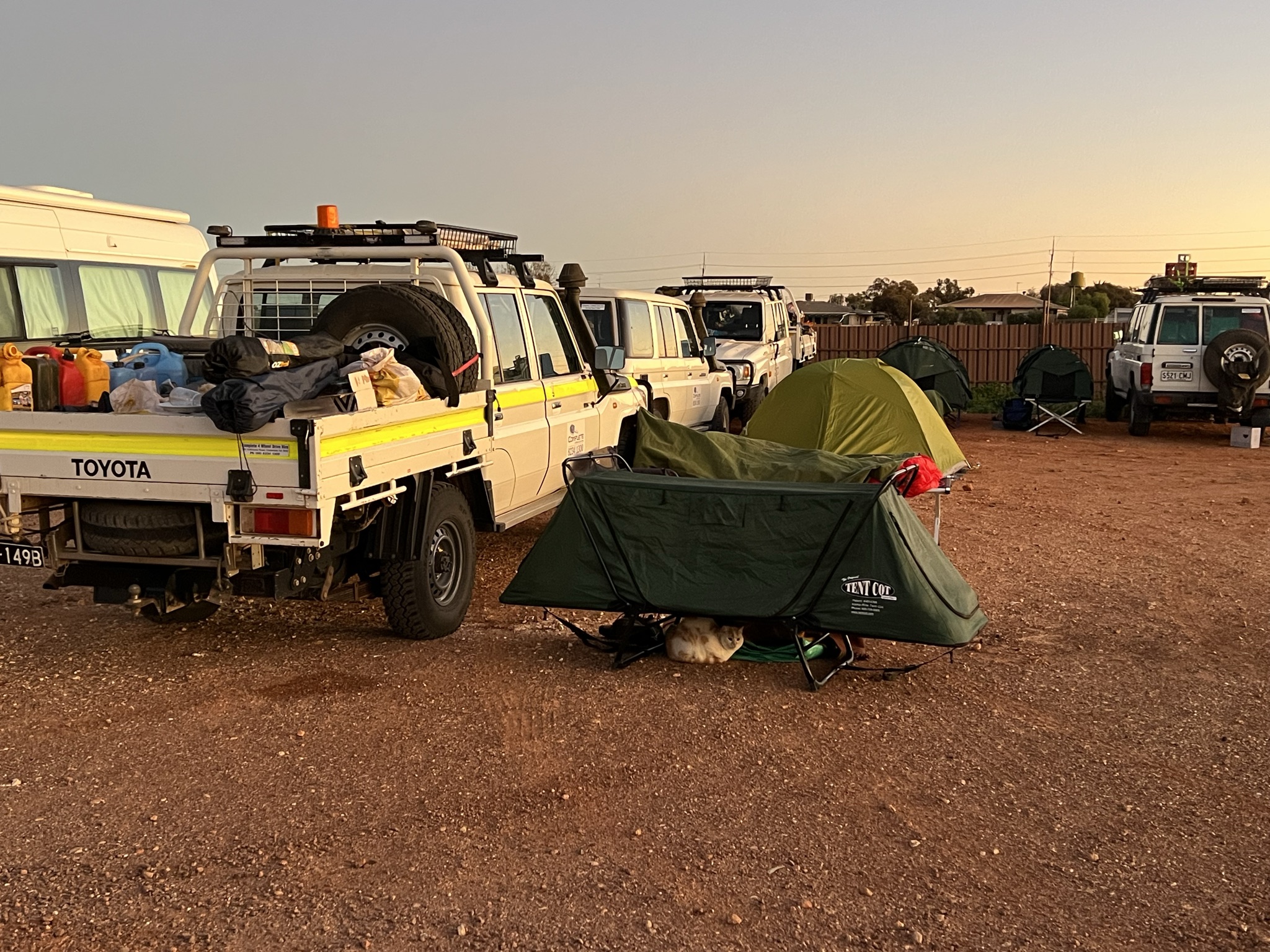
Next to us was a group who had hired 4WDs for the week, on their way back from trekking through the Simpson Desert. I had climbed into an air conditioned bed feeling grateful, and a little guilty, while they got into their swags. In the morning I asked how they had gone. Not much sleep, they said. Too cold.
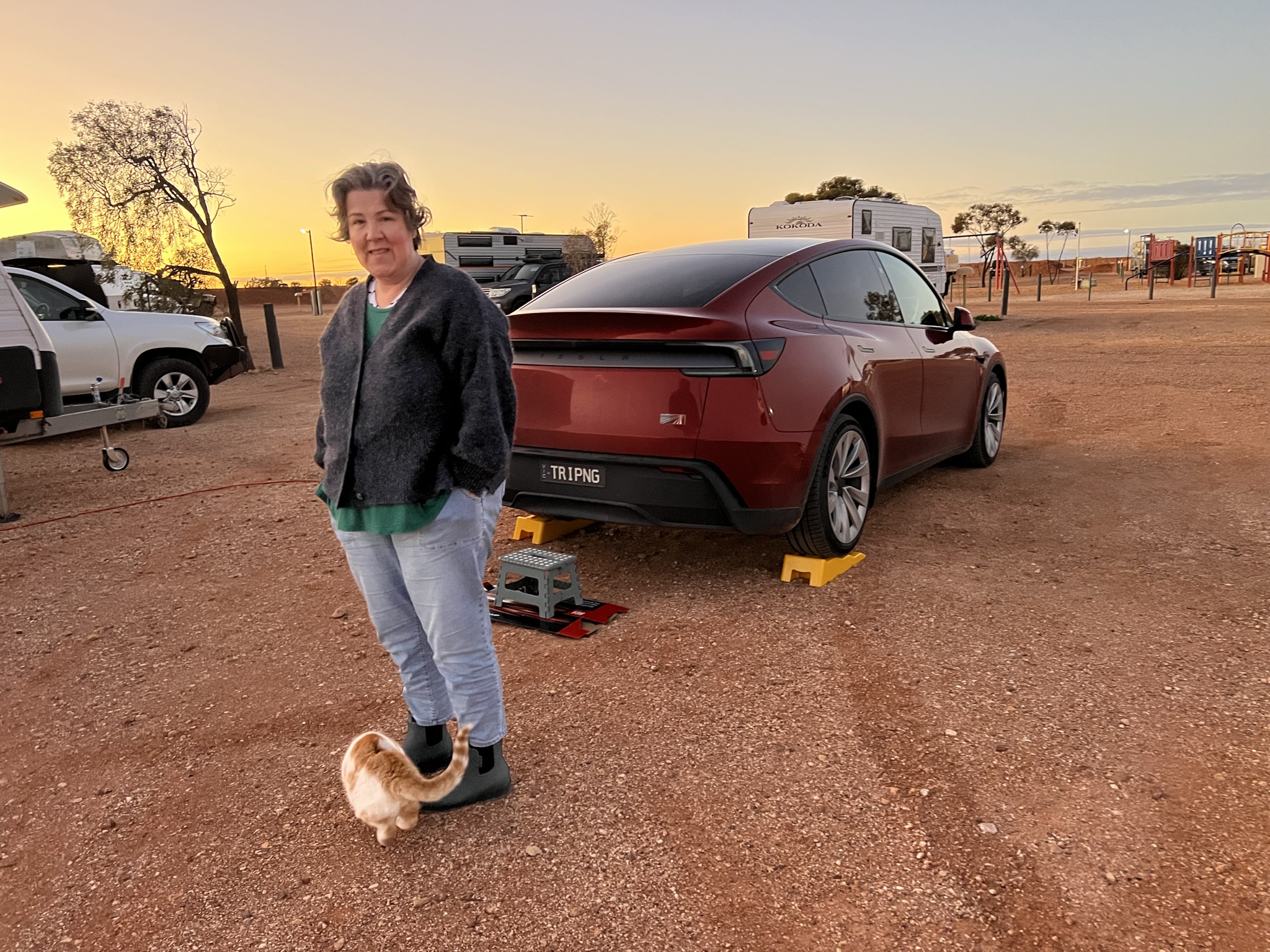
By sunrise Fran had made friends with a ginger cat, which is entirely in character. She can find a cat in any town in Australia.
We enjoyed the mess hall too, all of us jostling around the kitchen to cook dinner, and again at breakfast, comparing notes on where we had been.
Charging
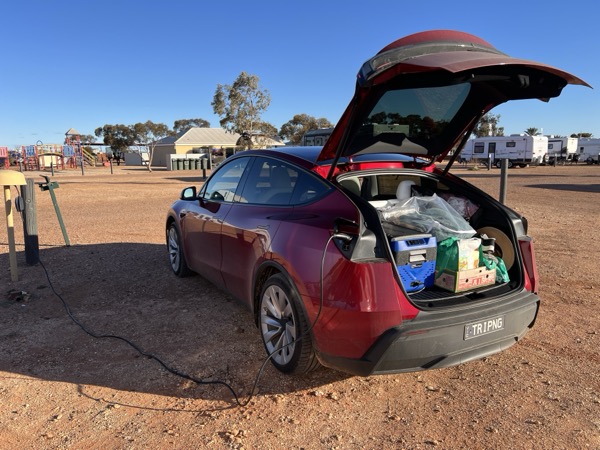
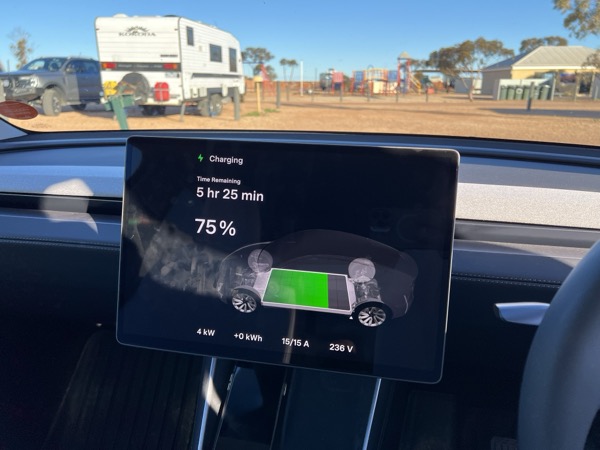
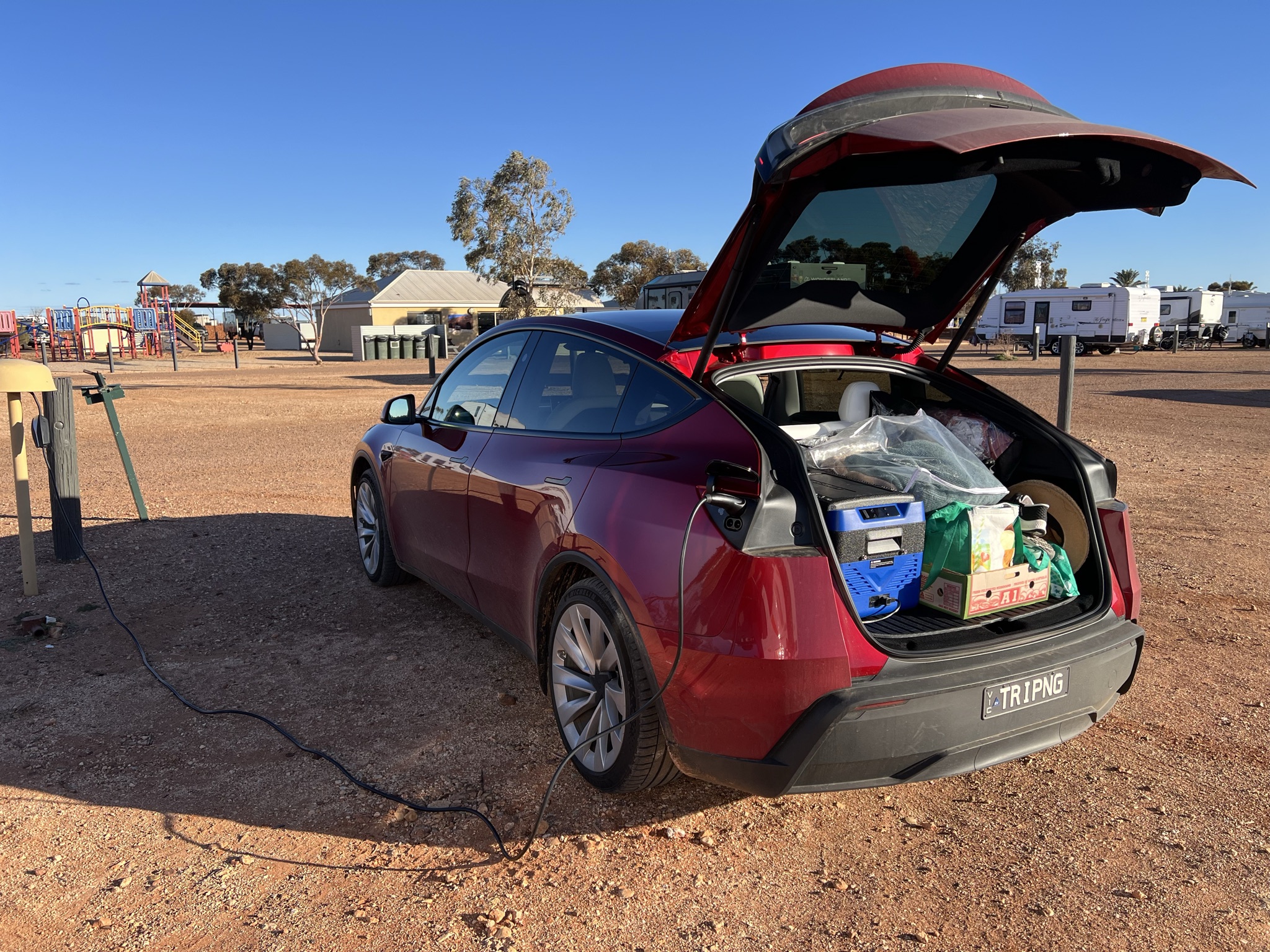
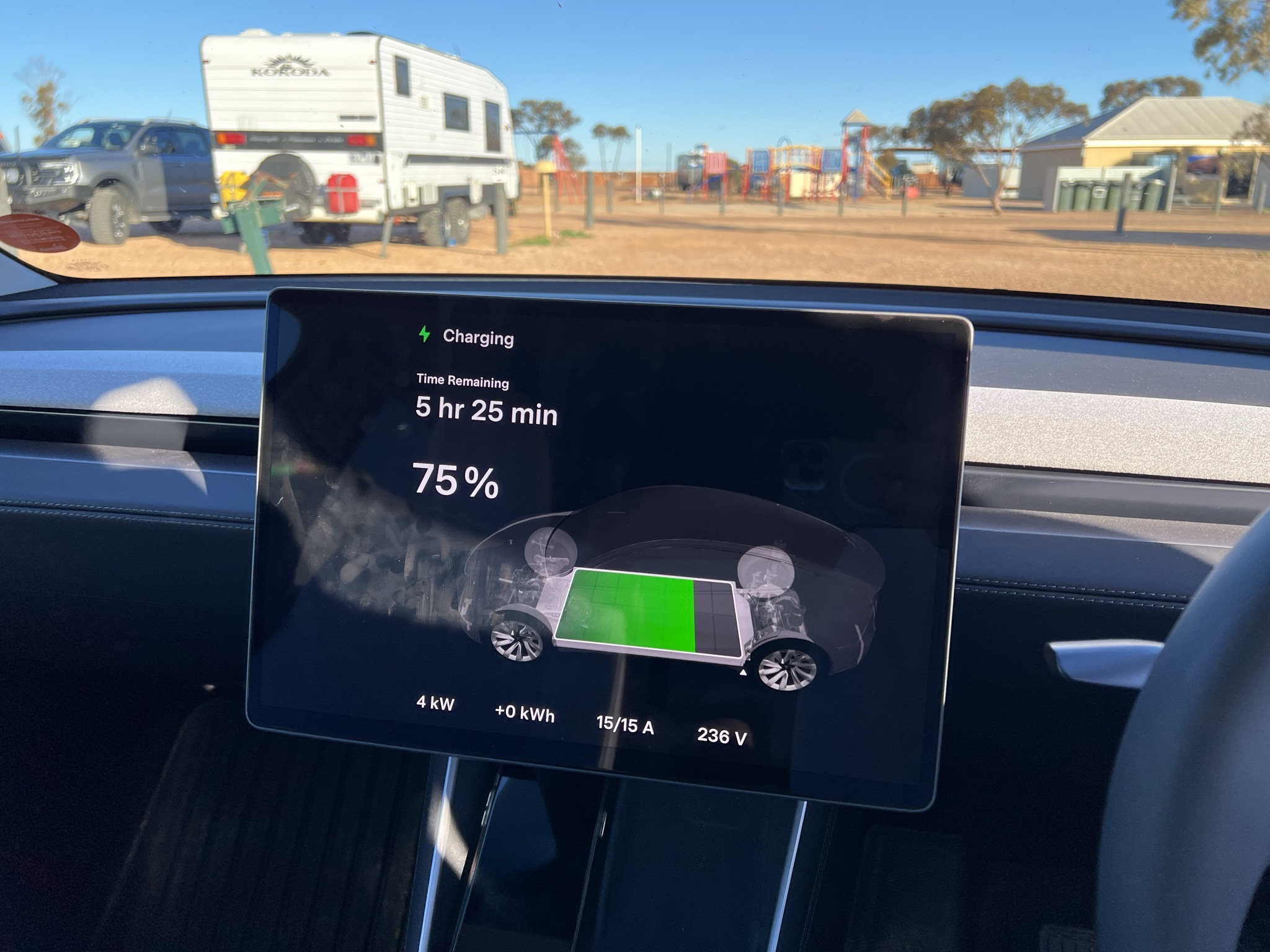
The powered site kept us warm and charged the EV battery: 15 amps at 236 volts, so about 3.5 kW. We had already fast charged to 75% in town, so this was just the last quarter, and the car reckoned on 5 hr 25 min to finish it, off the same kind of post from which the caravans around us were running their cooking and heating.
Related Posts
- The leg that got us here, arriving on 2%: The toughest range leg: Pimba to Coober Pedy 29 Jul 2025
- The next night, and the chargers we did not use: Destination charger in Coober Pedy 31 Jul 2025
- An earlier roadhouse overnight, at Spud's in Pimba: An EV-friendly overnight at Spud's Roadhouse 28 Jul 2025
- The mattress we were sleeping on: Snuuzu: the mattress made for sleeping in a Tesla 17 May 2026
- The flat Teraglide platform that we didn't bring on this trip: Installing the Teraglide Pro in our Model Y 16 Jul 2025
- Car camping by the Snowy River: Sleeping in the Tesla — does it fit? 29 Dec 2025
- Sleeping in the car on the Snowy Mountains trip: Creekside car camping in the Snowy Mountains 30 Dec 2025
- The trip's other camping night, at the Uluru campground: Arriving early at Ayers Rock Campground 1 Aug 2025
- The fridge riding in the subtrunk: Choosing our Kings camp fridge for the subtrunk 16 Jul 2025
- The whole trip, end to end: In a Tesla to Uluru and back: a 5500 km recap 11 Aug 2025
- A ute with a 200 L extra fuel tank, vs our EV 29 Jul 2025
- Even the churches are underground 30 Jul 2025
Links
- BIG4 Stuart Range Outback Resort, where we camped big4.com.au
Report
Report
Report
Report
Just read your description and it answers my query.
Report
Report
Report
Report
Report
Report
Report
Report
Report
Report
Report
Arriving early at Ayers Rock Campground
The warmest camping we've measured was a summer night in the Snowy Mountains, where the outside temperature went from 30°C down to about 8°C. Camp Mode held the cabin wherever we set it on about 9 kWh, while also running the fridge, lights and phone charging:
Creekside car camping in the Snowy Mountains
For real heat, the closest we have is parked in the middle of a hot day. On a 39°C afternoon the car held the cabin at 20°C for two and a half hours on 4 kWh — about 1.7 kW, with the sun beating on it. We've done the same while wandering around the markets in Queensland:
A scorching day at Eumundi markets
Overnight there's no sun load, so it should be less than that — maybe 10 to 15 kWh to run the air conditioning until morning, a fifth to a quarter of the battery. Fine if you arrive with a decent charge, and it's silent, with no generator and no fumes.
Dry heat is the easier case, too. Your humid air costs more to cool, because the air conditioner has to pull the water out of it as well as drop the temperature.
Report